
|
If you are researching home window tinting for your house in 2026, you are likely looking for a solution that balances comfort, protection, and value. Rising utility costs, sun-damaged interiors, and rooms that feel unusable during peak daylight hours are common frustrations. The good news is that modern window film technology has evolved far beyond the bubbly, purple-tinted films of decades past. Today’s nano-ceramic and Low-E coatings deliver measurable performance gains that can transform how your home feels and functions. By the end of this guide, you will understand the five core benefits of residential window tinting, how the numbers stack up against the average installation cost of $317 to $942, and whether a professional job or a DIY roll is the smarter move for your home.
1. Energy Efficiency and Lower Utility Bills
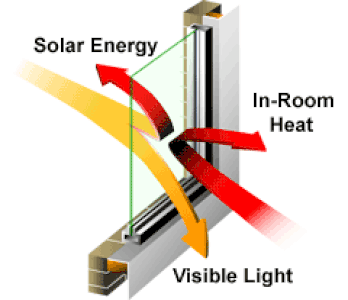
The most compelling reason homeowners invest in household window tinting is the immediate impact on indoor temperature and monthly energy costs. Windows are the weakest thermal barrier in any home, responsible for up to 30% of heating and cooling loss. Premium window film products address this problem from both sides of the calendar. During summer months, high-performance films reject a significant portion of the sun’s solar energy before it can enter your living space. Top-tier nano-ceramic films, constructed with seven or more functional layers, can block up to 88% of total solar heat. This means your air conditioner runs less frequently and cycles off sooner, directly lowering your electric bill. In winter, the same technology works in reverse. Low-E coatings reflect interior radiant heat back into the room, reducing the amount of warmth that escapes through the glass. You stay comfortable without cranking the thermostat. 2. 99.9% UV Protection for People and Property Ultraviolet radiation does not announce itself. It silently fades your hardwood floors, bleaches your upholstery, and damages your skin even when you are sitting indoors near a sunlit window. Premium residential window tinting blocks 99.9% of UV-A and UV-B rays, effectively stopping this damage at the glass. One manufacturer, Vista, carries a distinction worth noting: its films are the only window film products recommended by The Skin Cancer Foundation. That is a trust signal you do not find in every product category. The preservation angle extends well beyond health. Curtains, rugs, artwork, and furniture placed near untreated windows degrade noticeably over time. Colors wash out, fabrics weaken, and wood develops uneven patches. A quality household window tint arrests that process without forcing you to keep the blinds drawn all day. Modern high-clarity films deliver full-spectrum UV rejection while remaining virtually invisible, so you do not trade natural light for protection. And unlike seasonal energy savings that peak in summer and winter, UV blocking works every single day of the year, rain or shine. 3. Glare Reduction for Comfort and Productivity
Harsh glare is the reason many rooms sit empty during the afternoon. A television becomes unwatchable, a computer monitor washes out, and even reading a book turns into a squint-inducing chore. Home window film solves this by cutting glare by as much as 85 to 94 percent, depending on the product. The result is a room bathed in soft, usable daylight rather than punishing direct sun. For home offices, this benefit translates diretly into productivity. You can position your desk facing the window without fighting reflections on your screen. Media rooms become functional at any hour. Open-plan living areas feel brighter and more inviting because you can leave the blinds open without sacrificing comfort. Ceramic and spectrally selective films excel here. They filter out the harshest wavelengths while maintaining a neutral, non-mirrored appearance that does not alter your home’s exterior look. If you have ever rearranged an entire room just to escape the afternoon sun, glare reduction alone may justify the cost of house window tints. 4. Enhanced Privacy and Curb Appeal
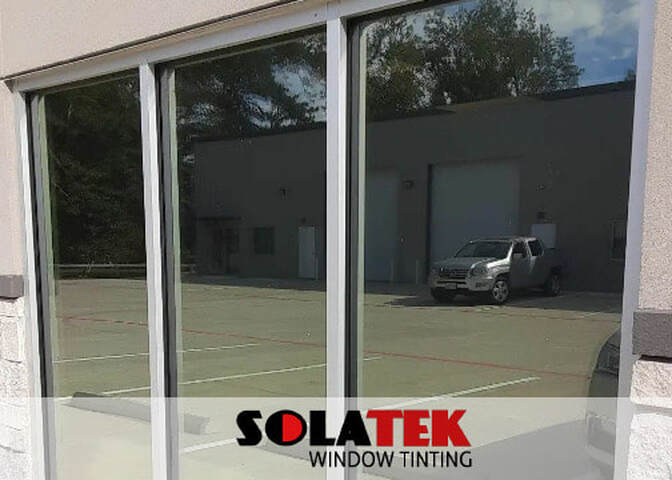
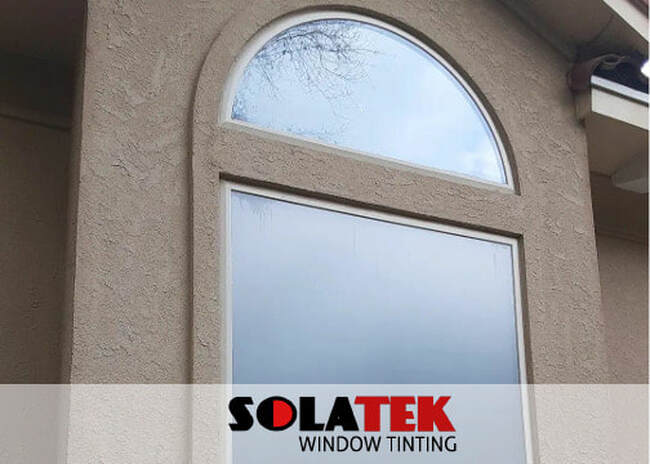
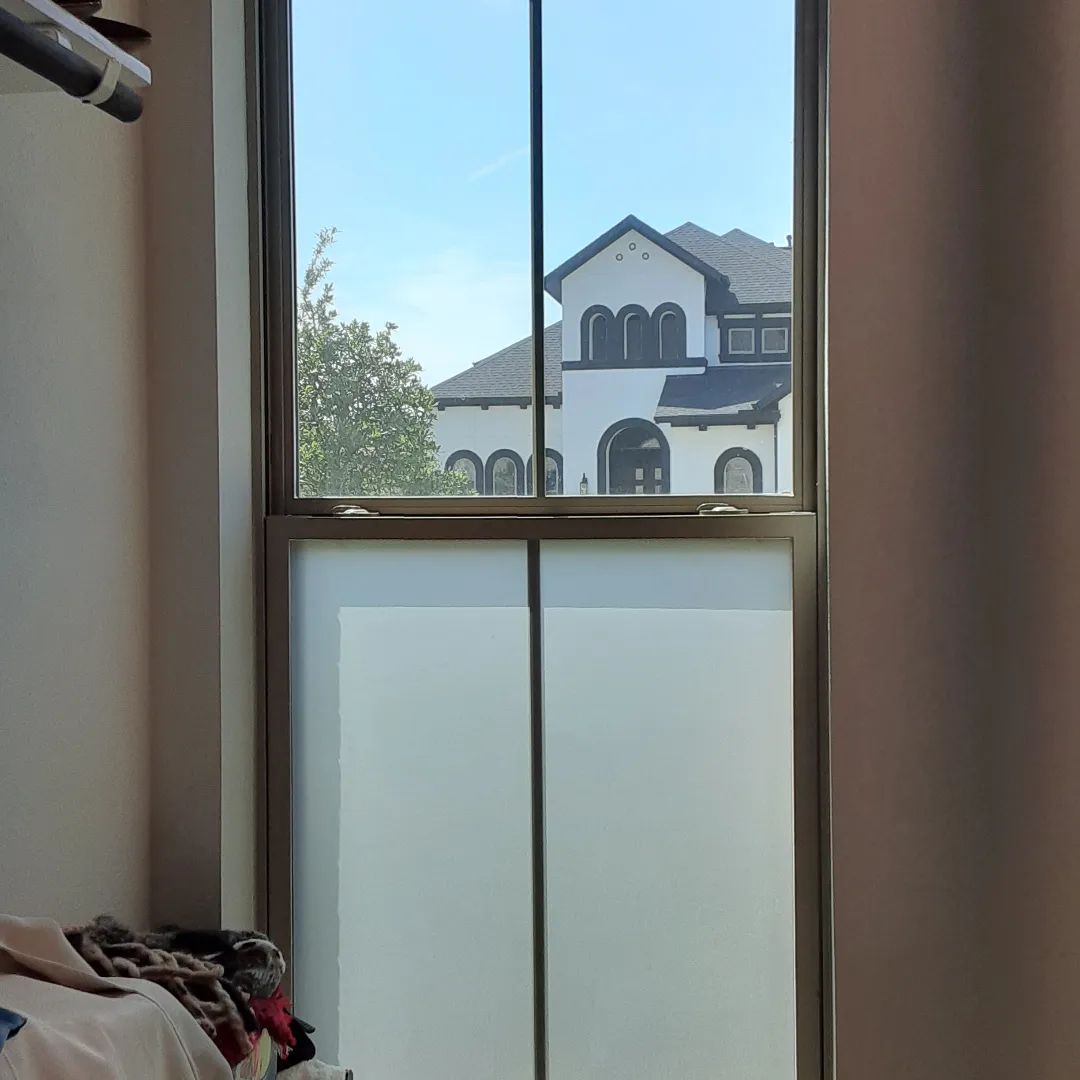
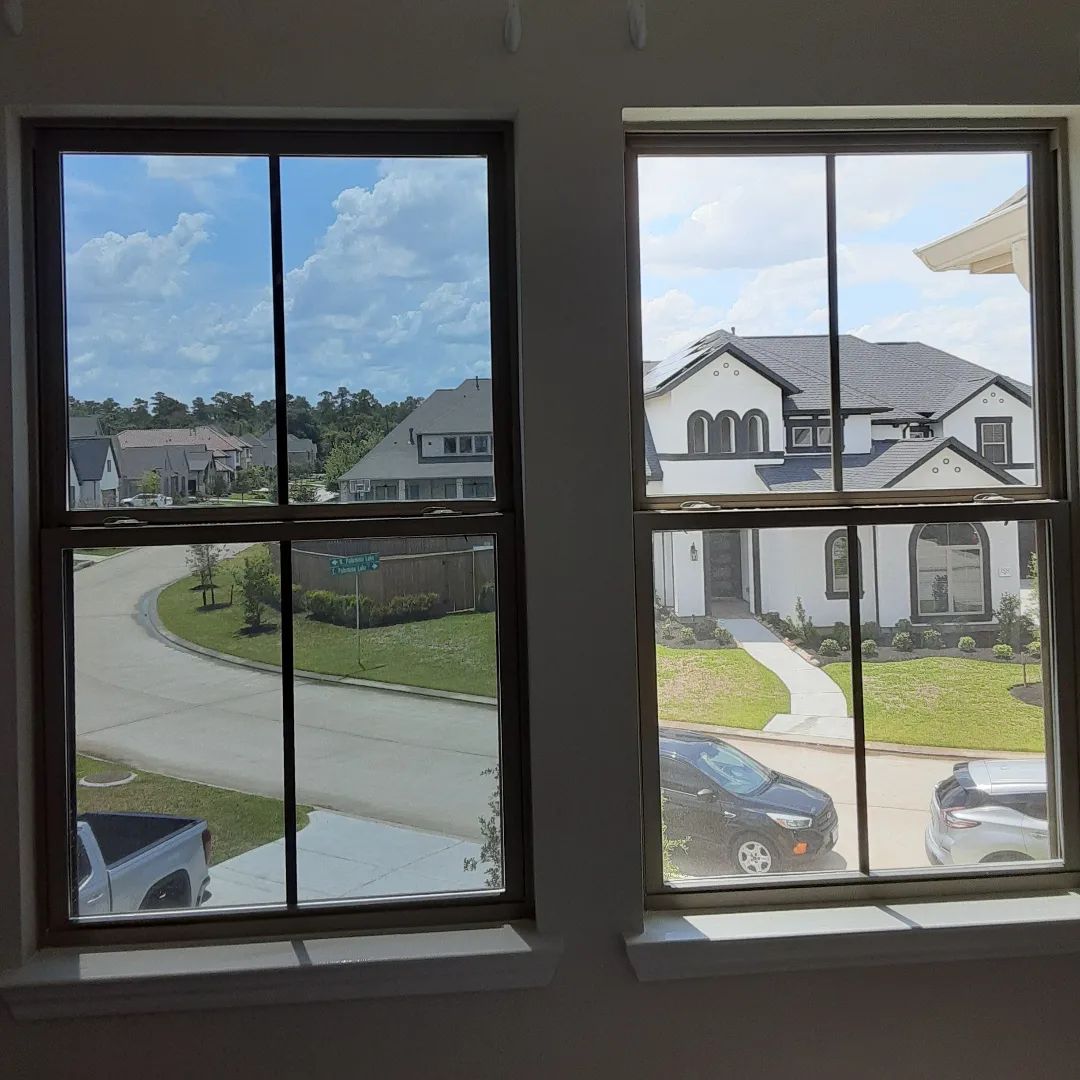
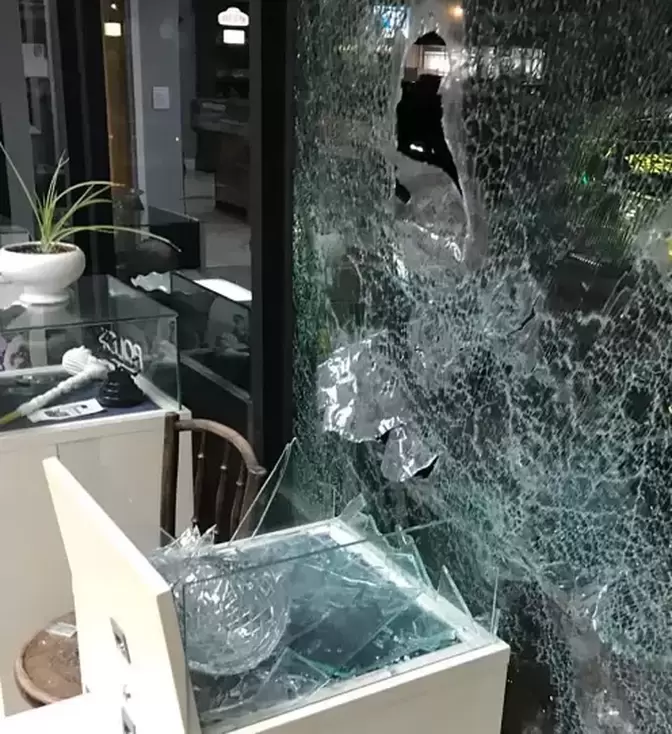
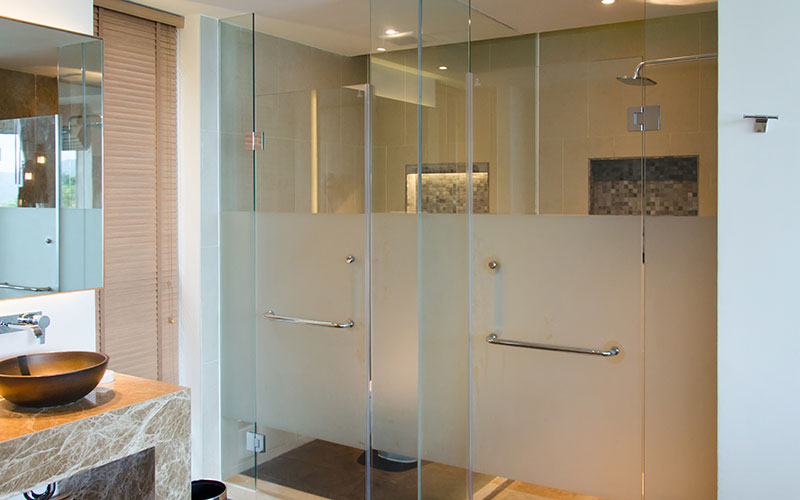
Daytime privacy is one of the first benefits people notice after installing house window tint. A reflective or tinted film creates a one-way mirror effect: you can see outside clearly, but anyone looking in from the street or a neighbor’s yard sees only a subtle reflection. This is especially valuable for ground-floor windows, bathrooms, and street-facing living areas where you want natural light without putting your daily life on display. There is an aesthetic payoff as well. Uniform window film gives a home a clean, cohesive look from the curb. Instead of mismatched blinds, curtains, and shades visible through each pane, the exterior presents a consistent, modern facade. Decorative and frosted films offer additional options for entryways and sidelights where you want privacy without sacrificing style. One honest note: the one-way mirror effect reverses at night when interior lights are on and it is darker outside. At that point, you will still need blinds or curtains for full privacy. Window tinters will explain this upfront, but it is worth knowing before you commit. 5. Safety and Security Through Glass Retention Beyond comfort and energy savings, household window tinting adds a layer of physical protection that most homeowners never consider until they need it. Security-grade films are thicker than standard solar films, typically measuring 8 to 12 mils, and they are engineered to hold shattered glass together on impact. If a window breaks during a storm, an earthquake, or an attempted break-in, the film prevents the glass from exploding inward in dangerous shards. Instead, the pane cracks but stays largely in place, buying you time and reducing injury risk. This is not a feature you get from a budget DIY roll. Security films require professional installation to ensure proper adhesion to both the glass and the frame. When installed correctly, they create a bond strong enough to deter a quick smash-and-grab entry. Many professional-grade installations also come with a manufacturer’s lifetime warranty, covering defects, bubbling, and peeling for as long as you own the home.
0 Comments
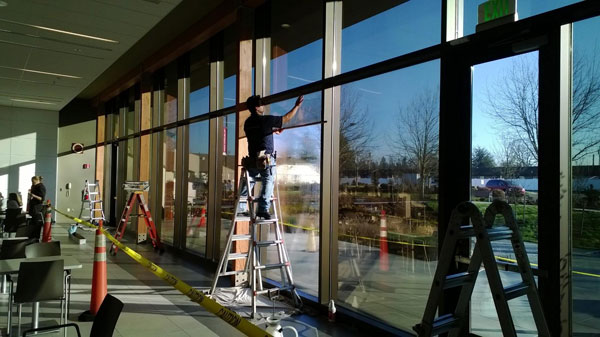
Professional home window tinting involves high-performance films applied directly to existing windows by trained technicians. This is not the peel-and-stick roll you find at a hardware store. Professional-grade films use multi-layer construction with UV blockers, infrared rejection layers, and scratch-resistant coatings baked into the material. Installers precision-cut each piece to fit your glass exactly, then use heat guns to mold the film around curves and edges for a bubble-free finish that lasts. Common film types include nano-ceramic, carbon, dyed, and hybrid formulations, each engineered for specific performance goals like heat rejection or glare control. When installed correctly, these films typically last 10 to 15 years with minimal maintenance. Top 5 Benefits of Hiring a Pro for Home Window Tinting1. Energy Savings and Lower AC Costs Professional films can reject up to 88% of solar heat, according to performance data from nano-ceramic products on the market. That translates directly into a reduced cooling load for your HVAC system. Homeowners in warm climates routinely see energy bills drop by 10 to 30% during peak summer months after installation. Films with a low solar heat gain coefficient keep interior temperatures stable without forcing your air conditioner to cycle on and off all day. Most households recover the full cost of installation within three to five years through utility savings alone. 2. 99% UV Protection for People and Interiors
Quality professional films block both UVA and UVB rays, the same radiation responsible for skin damage and accelerated fading of flooring, furniture, and artwork. Unlike many DIY films that lack independent certification, professional-grade products undergo third-party testing to verify their UV rejection claims. In sun-drenched regions like Houston, Texas, where UV exposure is a year-round concern, this protection matters for both health and property preservation. 3. Glare Reduction Without Sacrificing Natural Light
High-end films reduce glare by 80 to 94% while still allowing visible light to pass through. That means you can work from a home office, watch TV in a media room, or prep dinner in a bright kitchen without squinting or pulling the blinds shut. Professional installers help you choose the right visible light transmission percentage for each room based on its orientation and your comfort preferences. 4. Enhanced Privacy and Security One-way mirror films provide daytime privacy by reflecting exterior light while preserving your outward view. For homeowners concerned about storms or break-ins, security-grade films ranging from 8 to 14 mil thick hold shattered glass together on impact, reducing the risk of injury and intrusion. Professional installation ensures proper adhesion and edge sealing so the film performs exactly as engineered. 5. Nationwide Warranties and Workmanship Guarantees Several major providers back their installations with nationwide warranties that cover peeling, bubbling, delamination, and color change for a decade or longer. If you move across the country and a problem arises, a franchise location near your new home can handle the claim. DIY mistakes carry no such safety net. If you are researching home window tinting, you likely have a list of questions about cost, durability, and whether to DIY. You want the benefits: lower energy bills, reduced glare, and furniture that does not fade in the sun. But you also sense there are pitfalls that most quick guides skip over, like what happens to privacy at night or whether your HOA will send a violation notice. This guide walks through the seven factors that actually determine whether your window film investment pays off or becomes a regret, including the gaps most advice leaves wide open.
1. The Real Cost of Home Window Tinting
Professional home window tinting averages $611, with most jobs falling between $316 and $941 depending on the number of windows, film type, and how hard your windows are to reach. That price typically bundles labor, materials, and a warranty that covers both the film and the installation work. 2. Privacy: The Daytime vs. Nighttime Reality Check The privacy promise of reflective window film comes with a catch that most marketing skips. During daylight hours, the exterior reflects the brighter outside world, giving you a clear view out while preventing anyone from seeing in. That one-way privacy vanishes the moment the sun sets and your interior lights come on. With the brightness reversed, anyone outside can see straight into your home. Only a handful of professional installers, including those working with SOLATEK products, openly address this. Their practical fix is exterior flood lighting that keeps the outside brighter than the inside after dark. If you need true 24/7 privacy, look into micro-perforated films, which maintain opacity regardless of lighting conditions. For most homeowners, pairing standard tint with blinds or curtains is the simplest and most cost-effective nighttime solution. 3. UV Protection and Fading Prevention (99.9% Blockage) Ultraviolet radiation is the invisible culprit behind faded hardwood floors, bleached upholstery, and artwork that loses its vibrancy years before it should. Window films block 99 percent or more of UV rays, effectively putting a sunscreen layer between your furnishings and the sun. This protection works without darkening the room, which is a critical distinction. Solar window films reject UV and infrared heat while maintaining visible light transmission, so your sun-facing living room stays bright, but your sofa keeps its color. Not every film on the shelf delivers the same protection. Before buying, check the product spec sheet for the UV rejection percentage. A film that claims privacy or heat reduction is not automatically blocking UV at the 99 percent threshold, and the difference shows up in your furnishings over a few summers. 4. Energy Savings and Glare Reduction
Window tint reduces summer heat gain by reflecting solar energy before it enters the glass, and it slows winter heat loss by adding an insulating layer that keeps warm air inside. The result is lower HVAC strain year-round, with the most noticeable savings in rooms that get direct afternoon sun. Glare reduction is the other daily win, especially for home offices where screen visibility matters. Films with ceramic or metallic layers outperform basic dyed films on heat rejection, with ceramic offering the best balance of performance and signal friendliness. A less obvious benefit applies to homes with underfloor heating. These systems respond slowly to temperature changes, so a sudden sun spike through untreated windows can overheat a room for hours before the floor adjusts. Tinting flattens those spikes, keeping the space comfortable without constant thermostat fiddling. 5. Film Types: Solar, Security, and Decorative Home window tinting splits into three main categories, each solving a different problem. Solar films prioritize UV and heat rejection without dramatically changing the look of the glass. SOLATEK Products block 93 percent of light and deliver a dark titanium appearance rather than the dated mirror finish that turns some homeowners away. Security films use multiple polyester layers to hold shattered glass together during storms, earthquakes, or forced entry attempts. They do not make windows unbreakable, but they buy critical seconds by forcing an intruder to work through a stubborn membrane rather than stepping through an empty frame. Decorative films add patterns and textures for bathrooms, entryways, or glass cabinet doors where aesthetics matter more than performance specs. On materials, dyed films are the budget option but fade over time. Metallic films offer strong heat rejection but can degrade Wi-Fi and cell signals. Ceramic films cost more upfront but deliver the best durability and heat rejection without signal interference. 6. Installation: DIY vs. Professional (Common Mistakes)
DIY installation is achievable with patience, but the gap between watching a tutorial and doing it yourself is real. The most popular DIY window tinting video from early 2024 has over 291,000 views, and the comments reveal the pattern: viewers feel confident after watching, then hit bubbles and creases they cannot fix. The tutorial covers tools and steps but offers no troubleshooting for when the film folds onto itself or a dust speck creates a permanent blister. Professional installation eliminates those variables. A trained installer preps the glass to remove every particle; cuts film to exact dimensions with minimal gap at the edges and uses solutions that prevent adhesive from grabbing too fast. The result is a bubble-free finish backed by a warranty. For renters, static cling films like SUNBABY offer a middle path. These films adhere without adhesive, peel off clean, and are explicitly marketed as landlord approved. They cost more than basic adhesive films but leave zero residue, which matters when your security deposit is on the line. Press enter or click to view image in full size 7. Legal, HOA, and Long-Term Durability Considerations Before ordering film, check two things: your local residential tinting regulations and your HOA covenants. Some municipalities restrict visible light transmission percentages or ban reflective films on street-facing windows. HOAs can be even stricter, with architectural review boards that fine homeowners for unapproved window treatments. A quick call to your HOA or a search of local building codes prevents a costly removal job. Film lifespan runs 15 to 30 years for most products. Warranty terms vary widely by manufacturer, with premium brands offering longer coverage that may include labor for replacement. Also verify your window manufacturer’s warranty. On the environmental side, most window films are not recyclable. If sustainability factors into your purchasing decisions, ask manufacturers about take-back programs or plan for the film’s end-of-life disposal before installation day. If you are standing in your living room right now, staring at bare windows and weighing your options, you are not alone. The choice between traditional blinds and modern window film is one of the most common home improvement dilemmas in 2026. Blinds bring a familiar, tactile warmth that has defined American home decor for decades. Window tinting, on the other hand, promises something different: a high-performance, nearly invisible shield that blocks heat, filters ultraviolet light, and preserves your view. Neither option is universally better. The right answer depends entirely on what you value most: energy savings, privacy, light control, or aesthetic flexibility. This guide walks you through every angle that matters, including the drawbacks most comparison articles skip, so you can make a confident decision for your home this year.
Table of Contents
The Core Comparison:
Window Film vs. Blinds at a GlanceWhen homeowners compare window film and blinds, they often start with looks. But the real differences run much deeper, touching everything from your monthly energy bill to how often you need to clean. Understanding the core performance gaps will help you prioritize what actually matters. Heat rejection is where window film pulls ahead decisively. High-quality solar films can block anywhere from 40 to 80 percent of the sun's heat before it enters your home. Blinds, by contrast, block light but often trap heat in the space between the window and the blind itself. That pocket of hot air still radiates into your room, which means your air conditioner works harder even with the blinds fully closed. If your primary goal is keeping a south-facing room cool in July, film is the stronger performer. UV protection follows a similar pattern. Premium window tinting filters up to 99 percent of ultraviolet rays, the invisible culprit behind faded furniture, bleached hardwood floors, and aging artwork. Standard blinds offer minimal UV filtration unless you invest in lined or blackout varieties, and even then, the gaps between slats let light stream through. For homeowners serious about preserving interior furnishings, film provides a baseline of protection that blinds alone cannot match. Privacy dynamics are more nuanced. Blinds offer instant, adjustable control: twist the wand, and you shift from open to partially obscured to fully closed. Reflective window film creates a one-way mirror effect during daylight hours, letting you see out while preventing anyone from seeing in. But this daytime privacy comes with a catch that many first-time buyers miss. At night, when your interior lights are on and it is dark outside, the effect reverses completely. Anyone outside can see in clearly, which means film alone is not a complete privacy solution after sunset. Light control is where blinds still hold the crown. If you need total darkness for a bedroom or home theater, blackout blinds or thick curtains are the most reliable option. Window film reduces glare and softens harsh sunlight, but it does not eliminate light entirely. That is by design: most homeowners who choose film want to preserve natural light and outdoor views while cutting the uncomfortable brightness. The result is a brighter, more open-feeling interior during the day, which is either a benefit or a drawback depending on the room. Maintenance rounds out the comparison.
Once professionally installed, window film requires essentially zero upkeep. There are no slats to dust, no cords to tangle, and no mechanisms to break. Blinds, especially horizontal varieties, are notorious dust collectors. Cleaning them thoroughly means wiping each slat individually, a chore most homeowners dread. Over a decade, the time saved with film is significant. Aesthetics and Home Decor Window film appeals to homeowners who favor clean lines and a minimalist aesthetic. It disappears into the glass, doing its job without adding visual weight to the window frame. This makes it a natural fit for contemporary, mid-century modern, and Scandinavian-inspired interiors where simplicity is the goal. Frosted films, etched patterns, and decorative stained-glass styles can also add a custom design element that feels architectural rather than applied. Blinds offer a different kind of beauty. Wood and faux-wood blinds bring warmth and texture that film cannot replicate. Fabric shades soften a room acoustically and visually. The layered look of blinds paired with curtains or valances creates a traditional, finished appearance that many homeowners find comforting and familiar. If you enjoy changing your decor with the seasons or trends, blinds are far easier to swap out than film. Cost Comparison Cost is the question most buyers ask first, and it is the one the window treatment industry often sidesteps. Here are the real numbers in 2026. Blinds range dramatically in price. A basic aluminum mini-blind for a small window might cost as little as $20 at a big-box retailer. Custom wood blinds for a large picture window can easily exceed $300 per window, and professional installation adds another layer of expense. Most homeowners budget between $50 and $150 per window for mid-range blinds with professional mounting. Window film splits into two paths: do-it-yourself and professional. DIY film kits cost between $5 and $15 per square foot, depending on the type and quality. A standard 3-foot by 5-foot window would run roughly $75 to $225 in materials. Professional installation adds $5 to $10 per square foot, bringing that same window to a total of $150 to $375. The upfront cost of professionally installed film can be higher than mid-range blinds, but the long-term math shifts when you factor in energy savings. Many homeowners report that solar-control film pays for itself through reduced HVAC costs within three to five years. Blinds rarely offer a direct return on investment beyond aesthetic appeal. The Unspoken Downsides: Drawbacks of Window TintingMost window film companies focus on the benefits and gloss over the limitations. But the drawbacks are real, and knowing them upfront will save you from expensive surprises. This section addresses the critical gaps that competitor content often ignores. The night-time privacy failure is the single most common complaint from new window film owners. Reflective and one-way mirror films work on a simple principle: the brighter side sees a mirror, the darker side sees through. During the day, the exterior is brighter, so passersby see their own reflection. At night, with your interior lights on, the dynamic flips. Anyone outside can see directly into your home as if the film were not there at all. This is not a defect; it is physics. If you choose reflective film for daytime privacy, you must pair it with blinds, shades, or curtains for night-time coverage. How do I know I’m hiring the right window tinting company? Look for a company with many years of specialized window film experience, clear information about warranties, and a portfolio of both residential and commercial work. SOLATEK window tinting has been installing window films in the Houston area since 1980 and offers free estimates, product guidance, and warranty-backed installations. Houston summer is not waiting for your budget meeting. If you manage a building, you already know solar heat and glare chew through operating dollars and productivity. The fastest early-year win is often on the glass. Modern commercial window film trims cooling loads, stabilizes temperatures, and reduces screen glare without darkening spaces or changing your façade. This guide breaks down what commercial window tinting is, how it saves energy, what it costs in the Houston market, and simple ROI math you can take into Q1 planning. You will also see quick scenarios for offices, retail, gyms, and healthcare spaces so you can benchmark results before you request an assessment. What commercial window tinting is and how it worksCommercial window film is a thin, engineered layer professionally applied to existing glazing. Films manage solar energy by reflecting, absorbing, and re-radiating parts of the spectrum before heat enters your space. High-quality films block up to 99 percent of UV that fades interiors, cut infrared heat that drives AC run time, and reduce visible light glare so staff can read monitors without squinting. Core categories you will consider:
Does window tinting save energy costs?Yes. In cooling-dominant markets like Houston, solar control and ceramic films can reduce solar heat gain enough to cut AC run hours and peak demand. Field results vary by orientation and glass type, but it is common to see cooling costs drop while occupant comfort increases. Many SOLATEK projects show notable reductions in AC usage, and some storefront examples have experienced very large heat-load cuts. Beyond kWh, you also recover soft costs. Fewer hot-cold complaints, more usable perimeter workstations, and better visibility on point-of-sale and medical displays add up. If you want a deeper dive into performance options while you plan, review our overview of solar control window film benefits on our site, then bring your window counts to an on-site assessment. Simple ROI math you can use todayUse this shorthand to frame savings. Real modeling will refine it. Assumptions:
Installed costs in Houston and typical payback:
Installed pricing depends on film type, access, glass condition, and warranty. Representative commercial ranges SOLATEK sees locally:
For a quick cost reference, you can also check our guide to Houston window tint pricing and then schedule an on-site estimate to confirm scope. Which tint is best for heat reduction in offices?
Is ceramic commercial window tint worth it?If you need strong heat rejection without changing the building’s look, yes. Ceramic films typically:
Glare reduction without dark roomsTarget glare levels below 500 lux on task surfaces for comfortable monitor work. Films that cut visible light transmittance into the 20 to 50 percent range can tame glare on sunny exposures while keeping daylighting strategies intact. This is where a light meter and a test panel help you dial in results.
Reflectivity, compliance, and Texas distinctions
Lifespan and warranty Commercial window films typically last 15 to 30 years depending on product type and exposure. SOLATEK provides industry-leading warranties that cover issues like peeling, bubbling, adhesive failure, and color stability. Exact terms vary by film line and will be confirmed during your estimate. FAQ
Start the year by trimming overhead on the line item you feel every sunny day. SOLATEK offers on-site assessments, light measurements, and energy modeling to size your savings and define the right film by elevation. If you are comparing options across buildings, we will create a side-by-side so your finance team sees the payback clearly.
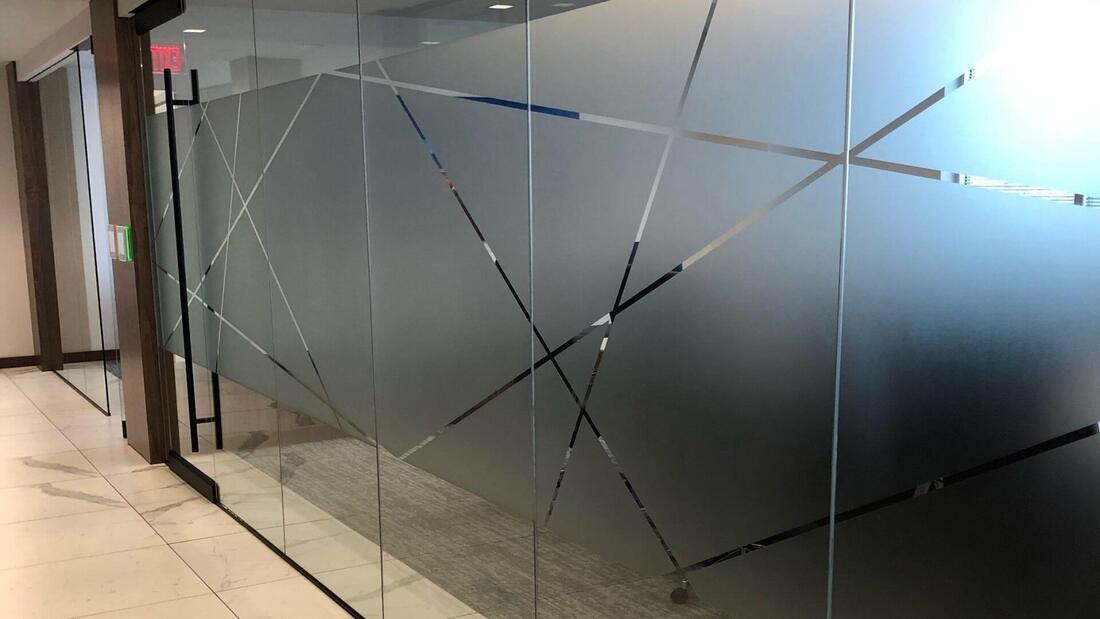
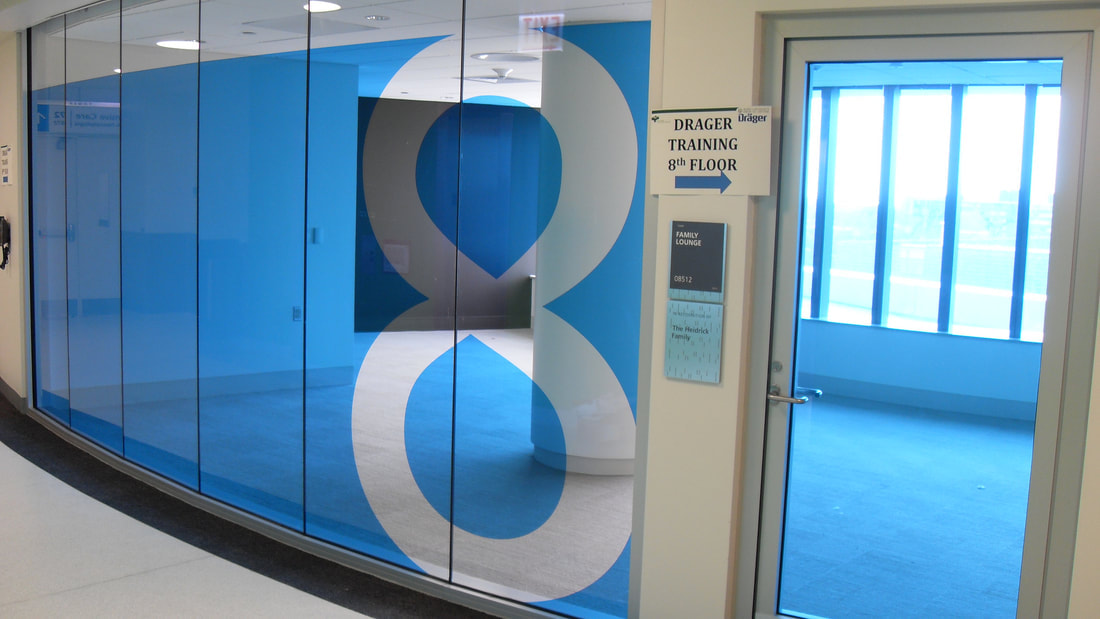
Furniture and Merchandise Fade Protection Tap into your creative side! Everything from corporate logos to scenic skylines can be showcased on glass. We can help you take your idea from concept to reality. Canvas is the choice for most artists, but it doesn’t have to be. Turn all of your glass into creative art: conference rooms, office partitions, front windows, hallways, doors, and everything in between. Our design team can help take your art or napkin sketch and turn it into a masterpiece. Attractive Energy Savings Virtually any 2-dimensional picture or design can be created in film by digitizing the image or design. Eliminate Glare on TVs And Computers SOLATEK window tinting will reduce the glare level on TVs and computers. The uncomfortable glare in most rooms is light; therefore, window tinting will reduce glare to a tolerable level without making the room dark. Complete Daytime Privacy SOLATEK window films are clear from the inside but can be private from the outside. All of the medium to strong films are transparent from the interior but allow daytime privacy from the exterior. You can see out, but no one can see in. Resists Scratching Most films have a tough scratch-resistant coating that prevents most scratches normally caused by pets and the usual accidents. Safety SOLATEK window films will add a welcomed degree of shatter resistance to your glass. These films turn ordinary glass into safety glass, like a car windshield. Window tint is an effective solution for blocking sun heat and enhancing comfort in vehicles and buildings alike. By selecting the right type of tint, such as ceramic or carbon, and adhering to legal and installation guidelines, you can enjoy cooler interiors, reduced glare, and protection from harmful UV rays. Whether you’re looking to improve your driving experience or boost your home’s energy efficiency, window tinting provides a practical and stylish way to beat the heat.
832-381-0091 Professional Window Tinting HoustonSunlight entering through glass brings heat, glare, and visibility from outside. Window tinting reduces heat before it spreads through the room and adds a privacy layer that makes interiors harder to see from outdoors. Many Houston property owners notice cooler spaces, less glare on screens, and a drop in energy use instantly. Residential Window TintingTransform your home with professional residential window film solutions designed to enhance comfort, privacy, and energy efficiency. Our premium window films reduce glare, block harmful UV rays, and help regulate indoor temperatures, all while maintaining the beauty of natural light. Whether you're looking to protect your furnishings from fading or lower your energy bills, residential window film is a smart, cost-effective investment for any homeowner.
A homeowner’s goal for window film is often straightforward: reduce glare on a TV or cool down a west-facing bedroom. The solution is typically simple and chosen for immediate comfort. A professional project, however, operates on a different set of priorities. The goal is to achieve consistent performance, asset protection, and energy efficiency across an entire building envelope, all while adhering to strict budgets and timelines. Commercial Window TintingWhen it comes to enhancing the comfort, efficiency, and aesthetics of your workspace, commercial window tints are a smart investment. Commercial window-tinting services improve energy efficiency by minimizing heat transfer while adding a layer of privacy and security to your facility. With an extensive range of tinting options, you can select the perfect film that complements your building's design while achieving your specific design goals. Window tint provides your workplace with a variety of benefits that help your bottom line and create a better environment for your employees and customers.
A professional specification demands quantifiable data. An experienced commercial partner evaluates films based on a complete set of metrics that align with architectural and engineering goals.
832-381-0091In hot climates or seasons where the sun's intensity lowers our comfort and raises energy bills, choosing an energy efficient window tint can make a noticeable difference. This guide delves into the options, science, and practical tips for selecting the best window tint to repel heat while maintaining visibility and comfort.
Introduction: Why Window Tint Matters for Heat ReductionWindows are both gateways for light and heat. Solar heat gain can account for a large portion of a building’s cooling load, especially in homes and offices with large glass areas. By selecting an energy efficient window tint, you can reduce heat transmission, lower air conditioning usage, and improve indoor comfort without sacrificing natural light. This article covers the key types of window films, their heat-rejection capabilities, and how to choose the right tint for your needs.
Understanding How Window Tint WorksTo pick the best heat-repelling tint, it helps to understand the core principles at work:
Types of Window Tints and Their Heat-Reducing Performance
How to Choose the Best Energy Efficient Window Tint for Your Climate
Practical Tips for Getting the Most from Your Window Tint
Real-World Scenarios: What to Expect in Daily Life
Common Questions About Energy Efficient Window Tint
When it comes to controlling sunlight, enhancing privacy, and improving energy efficiency in your home, many homeowners find themselves wondering: is window film better than blinds? Both options have their unique advantages, and the choice ultimately depends on your specific needs and preferences. In Houston, where the sun can be intense for much of the year, residential window film Houston services have become increasingly popular. This blog will explore the benefits and drawbacks of window film compared to traditional blinds, helping you make an informed decision for your home.
Understanding Residential Window Film in HoustonResidential window film in Houston is a thin laminate film that can be applied directly to the interior or exterior of your glass windows. It serves multiple purposes such as reducing glare, blocking harmful UV rays, enhancing privacy, and improving energy efficiency by regulating indoor temperature. Houston’s hot and sunny climate makes window film an attractive option for many homeowners looking to reduce cooling costs and protect furnishings from sun damage.
Window films come in different varieties, such as solar control films, decorative films, and security films. This range allows homeowners to customize their windows according to their needs without compromising natural light—a benefit that differentiates window film from blinds. Benefits of Window Film Over BlindsOne of the significant advantages of residential window film Houston offers is superior energy efficiency. Window films are designed to reflect and absorb solar heat, reducing the load on air conditioning units during Houston’s sweltering summers. Unlike blinds, which physically block sunlight only when closed, window film works continuously to reduce heat gain while allowing you to enjoy natural daylight.
Additionally, quality window films can block up to 99% of harmful UV rays. This feature protects your furniture, flooring, and artwork from fading in ways that standard blinds can’t, especially when they are open and letting in sunlight. Aesthetic Appeal and Unobstructed ViewsWindow film preserves the open view outside your windows, a considerable aesthetic benefit over blinds. Blinds can clutter a room visually and interrupt the sightline. Window film, meanwhile, creates a clean, sleek appearance and maintains the brightness of spaces without the bulkiness of window treatments.
Privacy Without Sacrificing LightCertain types of window films provide daytime privacy by making it difficult for outsiders to see inside while still allowing you to enjoy your views from indoors. This feature is particularly useful in urban neighborhoods or when your windows face busy streets. Blinds can certainly create privacy, but only when they are closed — which also blocks natural light.
Low Maintenance and Longevity Blinds require regular dusting and cleaning to prevent the buildup of dirt and allergens. They can also wear out mechanically, with slats breaking or strings tearing over time. In contrast, residential window film in Houston is virtually maintenance-free once installed. It doesn’t fade or deteriorate easily and can last for many years, offering better long-term value. When Blinds Might Be the Better ChoiceBlinds offer tangible control over how much light enters a room. You can tilt the slats to vary the direction and amount of natural light, which window film doesn’t provide. For families who want to adjust light levels frequently throughout the day — for example, to reduce screen glare or create a darker sleeping environment — blinds may be preferable.
Style and Interior DesignCost and Installation
While there are premium types of blinds that can be costly, many budget-friendly options exist and installation can be simpler for smaller spaces. Window films usually require professional installation to ensure they apply smoothly without bubbles or defects and may involve a higher upfront cost. Combining Both: Is It Possible? Homeowners in Houston sometimes choose to combine residential window film Houston solutions with traditional blinds. Window film can be applied to maximize energy efficiency and UV protection year-round, while blinds can be used for customizable light control and added privacy when needed. This hybrid approach offers the best of both worlds, especially in climates where sunlight varies significantly. In Texas, where sunlight is abundant and privacy is prized, homeowners are turning to residential glass tint as a smart and stylish solution. Whether you’re looking to enhance curb appeal, reduce glare, or improve indoor comfort, residential glass tint offers a powerful way to upgrade your windows without replacing them. This modern solution brings both aesthetic and practical benefits that suit every Texas home. Why Residential Glass Tint Is a Must-Have in Texas With temperatures often soaring and sunlight streaming through windows year-round, Texas homes need protection that goes beyond basic window treatments. Residential glass tint blocks a significant amount of heat and harmful UV rays while allowing natural light to brighten your space. This means your home stays cooler, your air conditioner runs less, and your energy bills drop. Additionally, residential glass tint preserves your interior furnishings. UV rays can fade furniture, flooring, and artwork over time. By installing high-quality residential glass tint, you’re investing in long-term protection for everything inside your home. Privacy Without Compromising Style Texas homeowners appreciate open, light-filled spaces—but they also value their privacy. Residential glass tint offers the perfect balance by allowing you to see outside while preventing neighbors or passersby from seeing in. This one-way visibility is especially beneficial for street-facing rooms or homes with large front windows. Unlike heavy curtains or blinds, residential glass tint adds privacy without darkening your interiors. It also adds a sleek, modern look that enhances the style of your home. From subtle neutral shades to bold reflective finishes, there’s a residential glass tint option to suit every architectural design. Security Benefits of Residential Glass Tint In addition to its style and comfort features, residential glass tint boosts your home’s security. Many modern films strengthen windows by holding shattered glass together, making it harder for intruders to break in. In the event of a storm or accident, residential glass tint also reduces the risk of injury from flying glass shards. This added layer of protection provides peace of mind for Texas families. Whether you’re away at work or relaxing at home, residential glass tint works quietly in the background to keep your home safer. Energy Efficiency and Environmental Impact Residential glass tint is a green solution that supports Texas homeowners in reducing their carbon footprint. By minimizing heat transfer, residential glass tint lowers the need for constant air conditioning, leading to lower energy consumption. This energy efficiency isn’t just good for your wallet—it’s also great for the environment. In fact, many utility companies in Texas offer rebates for installing energy-saving solutions like residential glass tint. It’s a win-win investment that pays for itself over time. Easy Maintenance and Long-Term Value
One of the best things about residential glass tint is how easy it is to maintain. Once installed, it requires no special cleaning products or tools. Simply wipe down your tinted windows as you would any other glass surface. Residential glass tint is also incredibly durable. With proper care, high-quality tint can last up to 20 years or more, offering long-term value and protection. Unlike temporary window coverings, residential glass tint is a lasting improvement that adds value to your Texas home. Choose the Right Tint for Your Texas Home With so many options available, it’s important to choose the right residential glass tint for your specific needs. Consider factors such as the direction your windows face, the level of privacy you want, and the style of your home. A professional window film installer can help you select and apply the perfect residential glass tint solution. Whether your priority is saving energy, improving privacy, enhancing security, or boosting style, residential glass tint delivers on every front. It’s a smart, cost-effective upgrade for any home in Texas. |
Categories |